
The Complete Guide to Touch Panel Technology in 2026
Leave a message
Introduction
The global Touch Panel industry has experienced significant transformation over the past decade. From smartphones and tablets to industrial automation systems and automotive displays, Touch Panel technology has become an essential part of modern electronic devices. In 2026, the demand for high-performance Touch Panel solutions continues to grow across industries including medical equipment, self-service terminals, smart home systems, transportation, retail displays, and industrial control systems.
As users increasingly expect faster response times, smoother interaction, thinner display structures, and improved durability, manufacturers are investing heavily in advanced capacitive Touch Panel technologies, optical bonding processes, and integrated display solutions. At the same time, OEM customers are focusing more on customization capability, long-term supply stability, and industrial-grade reliability when selecting Touch Panel suppliers.
Modern Touch Panel systems are no longer limited to consumer electronics. Industrial environments now require waterproof touch operation, glove-touch support, anti-glare performance, electromagnetic compatibility optimization, and wide-temperature functionality. These requirements are driving continuous innovation in Touch Panel materials, structures, and manufacturing processes.
This complete guide explores the latest developments in Touch Panel technology in 2026, including Touch Panel types, manufacturing structures, industrial applications, customization trends, and future industry directions.
Understanding Touch Panel Technology
What Is a Touch Panel?
A Touch Panel is an electronic input device that allows users to interact directly with a display through touch gestures. Unlike traditional keyboards or physical buttons, a Touch Panel detects user interaction through finger contact, stylus input, or glove touch functionality.
Touch Panels are commonly integrated with TFT LCD displays, OLED displays, and industrial monitor systems. The technology enables intuitive human-machine interaction and improves operational efficiency across both commercial and industrial applications.
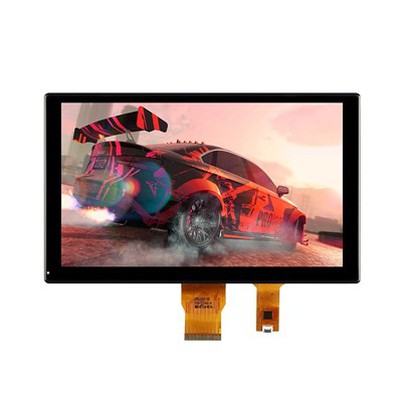
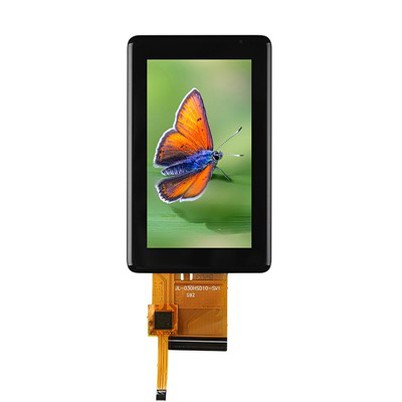
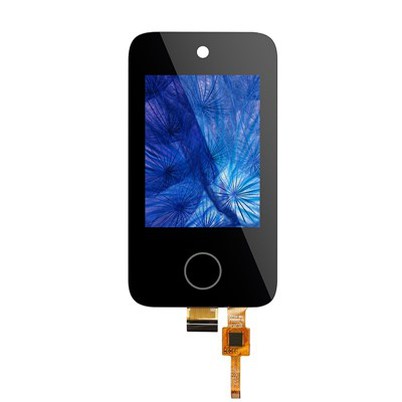
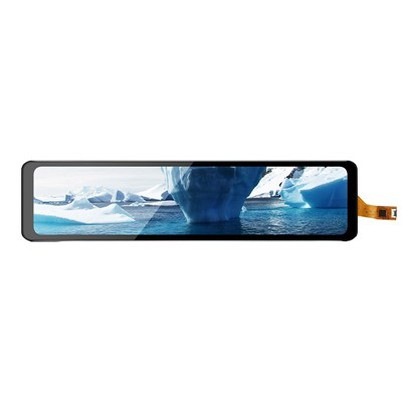
Modern Touch Panel systems consist of several key components, including cover glass, conductive sensing layers, controller ICs, flexible circuits, and bonding materials. These components work together to detect touch position, process input signals, and communicate with embedded systems.
Main Types of Touch Panel Technologies
Resistive Touch Panel
Resistive Touch Panel technology was one of the earliest widely adopted touch solutions. It works by detecting pressure applied to conductive layers separated by micro spacers. When pressure is applied, the layers make contact and generate coordinate signals.
Resistive Touch Panels offer advantages in low-cost industrial applications and can operate using fingers, gloves, or stylus input. However, they have limitations in transparency, durability, and multi-touch capability. As a result, resistive technology is gradually being replaced by projected capacitive solutions in modern systems.
Capacitive Touch Panel
Capacitive Touch Panel technology has become the dominant solution in today's electronics market. It works by detecting changes in the electrostatic field caused by conductive objects such as human fingers.
Projected Capacitive Touch Panel (PCAP) technology supports multi-touch functionality, higher optical clarity, smoother user interaction, and improved durability. PCAP Touch Panels are now widely used in smartphones, industrial equipment, automotive systems, medical devices, and smart home products.
Infrared Touch Panel
Infrared Touch Panel systems use infrared sensors positioned around the display edge to detect touch interruption points. This technology is commonly used in large-format interactive displays and educational systems.
Infrared systems support large display sizes and stable multi-touch functionality, although they may be more sensitive to dust and environmental interference compared to capacitive systems.
Optical Touch Technology
Optical Touch systems use cameras or optical sensors to detect user interaction. These technologies are suitable for large interactive displays and digital whiteboards where traditional sensor integration may be less practical.
Structure and Manufacturing Process of Modern Touch Panels
Common Touch Panel Structures
G+G (Glass + Glass)
G+G Touch Panel structures use two glass layers with conductive sensor materials positioned between them. This structure provides excellent optical clarity, strong durability, and high impact resistance.
G+G structures are commonly used in industrial equipment, medical systems, and automotive displays where long-term reliability is critical.
G+F (Glass + Film)
G+F structures combine a glass cover with conductive film layers. This structure offers reduced weight and lower production costs while maintaining relatively good touch performance.
Many mid-range commercial and industrial devices use G+F Touch Panel structures due to their cost-performance balance.
G+F+F Structure
G+F+F structures use multiple film layers to reduce module thickness and improve flexibility. These structures are widely used in consumer electronics and lightweight portable devices.
Touch Panel Manufacturing Process
The manufacturing process of a modern Touch Panel involves multiple precision engineering stages.
Sensor Design and ITO Patterning
The conductive sensing layer is typically formed using Indium Tin Oxide (ITO) coating technology. Precise sensor patterns are etched onto glass or film substrates to create touch detection circuits.
Cover Glass Processing
Cover glass undergoes CNC cutting, drilling, polishing, edge treatment, and strengthening processes. Manufacturers also apply silk printing and decorative coatings according to customer requirements.
Lamination and Bonding
Touch sensors are laminated with cover glass and display modules using optical bonding or air bonding processes. Optical bonding improves display readability and reduces internal reflection.
Controller Integration
Controller ICs process touch signals and communicate with embedded systems through USB, I2C, SPI, or UART interfaces.
Quality Inspection
Manufacturers perform extensive testing including optical inspection, touch sensitivity analysis, EMC testing, durability testing, and environmental reliability verification.
Optical Bonding and Surface Treatment Technologies
Optical Bonding Technology
Optical bonding is one of the most important technologies in modern Touch Panel manufacturing. It involves filling the air gap between the display and cover glass using transparent optical adhesive.
This process significantly improves display readability, especially in outdoor and high-brightness environments. Optical bonding also enhances impact resistance, reduces internal reflection, and improves environmental durability.
Compared with traditional air bonding, optical bonding provides better optical performance and higher long-term reliability.
Anti-Glare (AG) Coating
Anti-glare coating reduces surface reflection and improves visibility under strong ambient light conditions. AG-treated Touch Panels are widely used in outdoor kiosks, industrial systems, and transportation equipment.
Anti-Reflective (AR) Coating
AR coating increases light transmittance and reduces reflection loss. This technology improves display clarity and enhances user experience in high-brightness applications.
Anti-Fingerprint (AF) Coating
AF coating reduces fingerprint residue and improves surface smoothness. This treatment is commonly applied in consumer electronics and medical equipment.
Industrial Applications of Touch Panel Technology
Industrial Automation and HMI Systems
Industrial automation is one of the fastest-growing markets for Touch Panel technology. Human Machine Interface (HMI) systems rely heavily on industrial-grade Touch Panels for machine control and monitoring.
Industrial Touch Panels must support waterproof operation, glove touch functionality, wide operating temperatures, and strong electromagnetic interference resistance.
Projected capacitive Touch Panels are increasingly replacing resistive systems in industrial automation due to their superior durability and touch precision.
Medical Equipment
Medical devices require highly reliable Touch Panel systems with precise touch performance and easy cleaning capability.
Medical Touch Panels often include anti-bacterial coatings, chemically strengthened glass, and high-sensitivity touch operation suitable for gloves.
Applications include patient monitoring systems, diagnostic equipment, portable medical devices, and surgical control systems.
Automotive Electronics
Automotive displays are becoming larger and more interactive. Modern vehicles use Touch Panel systems for infotainment, navigation, climate control, and digital dashboards.
Automotive Touch Panels must withstand vibration, temperature fluctuations, and long-term operation under demanding environmental conditions.
Curved Touch Panel structures and optical bonding technologies are becoming increasingly common in automotive cockpit design.
Smart Retail and Self-Service Kiosks
Retail systems increasingly rely on interactive Touch Panel interfaces for customer engagement and self-service functionality.
Applications include payment kiosks, interactive advertising displays, ticket machines, restaurant ordering systems, and smart vending machines.
Large-format capacitive Touch Panels provide smooth interaction and improved user experience for public commercial environments.
Smart Home and Consumer Electronics
Touch Panel technology remains essential in smartphones, tablets, smart appliances, and IoT devices.
Consumers expect thinner display structures, faster touch response, and improved display clarity. This trend is driving innovation in flexible Touch Panels, in-cell integration, and ultra-thin conductive film technologies.
Industrial Applications of Touch Panel Technology
Industrial Automation and HMI Systems
Industrial automation is one of the fastest-growing markets for Touch Panel technology. Human Machine Interface (HMI) systems rely heavily on industrial-grade Touch Panels for machine control and monitoring.
Industrial Touch Panels must support waterproof operation, glove touch functionality, wide operating temperatures, and strong electromagnetic interference resistance.
Projected capacitive Touch Panels are increasingly replacing resistive systems in industrial automation due to their superior durability and touch precision.
Medical Equipment
Medical devices require highly reliable Touch Panel systems with precise touch performance and easy cleaning capability.
Medical Touch Panels often include anti-bacterial coatings, chemically strengthened glass, and high-sensitivity touch operation suitable for gloves.
Applications include patient monitoring systems, diagnostic equipment, portable medical devices, and surgical control systems.
Automotive Electronics
Automotive displays are becoming larger and more interactive. Modern vehicles use Touch Panel systems for infotainment, navigation, climate control, and digital dashboards.
Automotive Touch Panels must withstand vibration, temperature fluctuations, and long-term operation under demanding environmental conditions.
Curved Touch Panel structures and optical bonding technologies are becoming increasingly common in automotive cockpit design.
Smart Retail and Self-Service Kiosks
Retail systems increasingly rely on interactive Touch Panel interfaces for customer engagement and self-service functionality.
Applications include payment kiosks, interactive advertising displays, ticket machines, restaurant ordering systems, and smart vending machines.
Large-format capacitive Touch Panels provide smooth interaction and improved user experience for public commercial environments.
Smart Home and Consumer Electronics
Touch Panel technology remains essential in smartphones, tablets, smart appliances, and IoT devices.
Consumers expect thinner display structures, faster touch response, and improved display clarity. This trend is driving innovation in flexible Touch Panels, in-cell integration, and ultra-thin conductive film technologies.
Industrial Applications of Touch Panel Technology
Industrial Automation and HMI Systems
Industrial automation is one of the fastest-growing markets for Touch Panel technology. Human Machine Interface (HMI) systems rely heavily on industrial-grade Touch Panels for machine control and monitoring.
Industrial Touch Panels must support waterproof operation, glove touch functionality, wide operating temperatures, and strong electromagnetic interference resistance.
Projected capacitive Touch Panels are increasingly replacing resistive systems in industrial automation due to their superior durability and touch precision.
Medical Equipment
Medical devices require highly reliable Touch Panel systems with precise touch performance and easy cleaning capability.
Medical Touch Panels often include anti-bacterial coatings, chemically strengthened glass, and high-sensitivity touch operation suitable for gloves.
Applications include patient monitoring systems, diagnostic equipment, portable medical devices, and surgical control systems.
Automotive Electronics
Automotive displays are becoming larger and more interactive. Modern vehicles use Touch Panel systems for infotainment, navigation, climate control, and digital dashboards.
Automotive Touch Panels must withstand vibration, temperature fluctuations, and long-term operation under demanding environmental conditions.
Curved Touch Panel structures and optical bonding technologies are becoming increasingly common in automotive cockpit design.
Smart Retail and Self-Service Kiosks
Retail systems increasingly rely on interactive Touch Panel interfaces for customer engagement and self-service functionality.
Applications include payment kiosks, interactive advertising displays, ticket machines, restaurant ordering systems, and smart vending machines.
Large-format capacitive Touch Panels provide smooth interaction and improved user experience for public commercial environments.
Smart Home and Consumer Electronics
Touch Panel technology remains essential in smartphones, tablets, smart appliances, and IoT devices.
Consumers expect thinner display structures, faster touch response, and improved display clarity. This trend is driving innovation in flexible Touch Panels, in-cell integration, and ultra-thin conductive film technologies.
Conclusion
Touch Panel technology continues evolving rapidly in 2026 as industries demand better interaction performance, thinner structures, stronger durability, and smarter integration capability.
Projected capacitive Touch Panels have become the global industry standard due to their excellent optical clarity, multi-touch functionality, and long-term reliability. At the same time, optical bonding, AG/AR/AF coating technologies, and flexible display integration are driving further innovation across industrial and consumer markets.
From industrial automation and medical systems to automotive displays and smart retail applications, Touch Panel technology is now essential to modern electronic interaction design.
For OEM buyers and product developers, selecting the right Touch Panel solution requires careful evaluation of touch technology, customization capability, environmental requirements, and supplier engineering support. As the industry continues advancing, manufacturers with strong R&D capability, flexible customization services, and stable production systems will remain highly competitive in the global Touch Panel market.