
The Complete Guide to TFT LCD Display Technology in 2026
Leave a message
Introduction
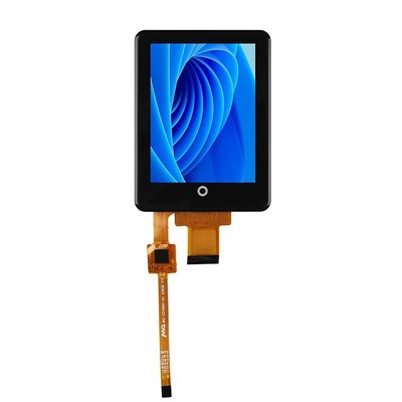
TFT LCD Display technology remains one of the most widely used display solutions in the global electronics industry in 2026. Despite the rapid development of OLED, MicroLED, and other emerging display technologies, TFT LCD Display continues to dominate industrial, commercial, automotive, and embedded system markets due to its mature manufacturing process, stable performance, and strong cost efficiency.
From industrial control panels and medical devices to automotive dashboards, smart retail kiosks, and consumer electronics, TFT LCD Display modules are deeply integrated into modern human-machine interaction systems. Their ability to deliver reliable image output under a wide range of environmental conditions makes them especially valuable in industrial and mission-critical applications.
In recent years, the expectations for TFT LCD Display technology have significantly increased. Users and OEM manufacturers now demand higher resolution, improved brightness for outdoor readability, lower power consumption, wider viewing angles, and longer operational lifespan. At the same time, system designers are increasingly integrating touch functionality, optical bonding, and smart control systems into TFT LCD Display modules to improve usability and performance.
Understanding TFT LCD Display technology requires a detailed look at its working principles, internal structure, manufacturing process, classification, and application scenarios. This guide provides a complete and structured overview of TFT LCD Display technology in 2026, covering how it works, how it is built, and where it is used across industries.
Fundamentals of TFT LCD Display Technology
What Is a TFT LCD Display?
A TFT LCD Display (Thin-Film Transistor Liquid Crystal Display) is a flat-panel display technology that uses liquid crystals controlled by thin-film transistors to generate images. Each pixel in a TFT LCD Display is independently controlled by a transistor, allowing precise image rendering and high-resolution output.
Unlike older passive matrix LCDs, TFT LCD Display technology provides faster response times, higher image stability, and improved color accuracy. This makes it suitable for applications ranging from simple industrial panels to advanced automotive infotainment systems.
In essence, a TFT LCD Display does not emit light directly. Instead, it modulates light from a backlight unit using liquid crystal molecules, which adjust their orientation based on electrical signals.
How TFT LCD Display Works
The working principle of a TFT LCD Display involves multiple coordinated layers working together.
First, the backlight unit provides a constant light source, usually based on LED technology. This light passes through a polarizer, which filters the light waves into a specific orientation.
Next, the light enters the liquid crystal layer. The liquid crystals act as optical shutters, controlling how much light passes through each pixel. The alignment of these crystals is controlled by electrical signals from thin-film transistors.
Each pixel in a TFT LCD Display is divided into red, green, and blue subpixels. These subpixels combine to create full-color images when light passes through color filters.
Finally, the image signal is processed by a timing controller (TCON) and driver IC, ensuring that each pixel receives the correct voltage at the right time.
This entire process happens continuously and rapidly, allowing smooth video playback and real-time interaction in TFT LCD Display systems.
Key Advantages of TFT LCD Display
TFT LCD Display technology remains highly competitive due to several key advantages.
It offers a stable and mature production ecosystem, which reduces manufacturing costs and ensures consistent quality. It also provides excellent scalability, supporting a wide range of sizes from small handheld devices to large industrial panels.
Another major advantage is durability. TFT LCD Display modules can operate reliably under harsh environmental conditions, including high temperature, vibration, and humidity when properly designed.
Additionally, TFT LCD Display systems support strong customization capabilities, making them ideal for OEM and industrial applications where specific interface, brightness, and structural requirements are needed.
Fundamentals of TFT LCD Display Technology
What Is a TFT LCD Display?
A TFT LCD Display (Thin-Film Transistor Liquid Crystal Display) is a flat-panel display technology that uses liquid crystals controlled by thin-film transistors to generate images. Each pixel in a TFT LCD Display is independently controlled by a transistor, allowing precise image rendering and high-resolution output.
Unlike older passive matrix LCDs, TFT LCD Display technology provides faster response times, higher image stability, and improved color accuracy. This makes it suitable for applications ranging from simple industrial panels to advanced automotive infotainment systems.
In essence, a TFT LCD Display does not emit light directly. Instead, it modulates light from a backlight unit using liquid crystal molecules, which adjust their orientation based on electrical signals.
How TFT LCD Display Works
The working principle of a TFT LCD Display involves multiple coordinated layers working together.
First, the backlight unit provides a constant light source, usually based on LED technology. This light passes through a polarizer, which filters the light waves into a specific orientation.
Next, the light enters the liquid crystal layer. The liquid crystals act as optical shutters, controlling how much light passes through each pixel. The alignment of these crystals is controlled by electrical signals from thin-film transistors.
Each pixel in a TFT LCD Display is divided into red, green, and blue subpixels. These subpixels combine to create full-color images when light passes through color filters.
Finally, the image signal is processed by a timing controller (TCON) and driver IC, ensuring that each pixel receives the correct voltage at the right time.
This entire process happens continuously and rapidly, allowing smooth video playback and real-time interaction in TFT LCD Display systems.
Key Advantages of TFT LCD Display
TFT LCD Display technology remains highly competitive due to several key advantages.
It offers a stable and mature production ecosystem, which reduces manufacturing costs and ensures consistent quality. It also provides excellent scalability, supporting a wide range of sizes from small handheld devices to large industrial panels.
Another major advantage is durability. TFT LCD Display modules can operate reliably under harsh environmental conditions, including high temperature, vibration, and humidity when properly designed.
Additionally, TFT LCD Display systems support strong customization capabilities, making them ideal for OEM and industrial applications where specific interface, brightness, and structural requirements are needed.
Types of TFT LCD Display Technologies
TN (Twisted Nematic) TFT LCD Display
TN TFT LCD Display technology is one of the earliest and most cost-effective LCD structures. It offers fast response times and low production costs.
However, TN panels have limited viewing angles and lower color accuracy compared to modern alternatives. As a result, they are mainly used in entry-level industrial and commercial applications.
IPS (In-Plane Switching) TFT LCD Display
IPS TFT LCD Display technology is widely used in modern devices due to its excellent viewing angles and color accuracy.
In IPS displays, liquid crystals move parallel to the panel surface, allowing consistent image quality even at wide viewing angles.
This makes IPS TFT LCD Display systems ideal for medical devices, industrial control systems, and high-end consumer electronics where visual accuracy is important.
VA (Vertical Alignment) TFT LCD Display
VA TFT LCD Display technology provides high contrast ratios and deeper black levels compared to TN and IPS technologies.
This makes VA panels suitable for applications requiring strong contrast performance, such as control rooms and commercial displays.
However, VA displays may have slower response times compared to IPS or TN technologies.
High Brightness TFT LCD Display
High brightness TFT LCD Display systems are designed for outdoor and semi-outdoor environments.
They use powerful LED backlights and optical enhancements to achieve high luminance levels, ensuring readability under direct sunlight.
These displays are commonly used in transportation systems, outdoor kiosks, and industrial field equipment.
Customized Industrial TFT LCD Display
Industrial applications often require customized TFT LCD Display solutions tailored to specific environmental and operational conditions.
These include waterproof and dustproof designs, wide temperature ranges (-30°C to +85°C), glove-compatible operation, and EMI shielding.
OEM customization also includes interface options such as HDMI, LVDS, MIPI, and RGB depending on system architecture.
Types of TFT LCD Display Technologies
TN (Twisted Nematic) TFT LCD Display
TN TFT LCD Display technology is one of the earliest and most cost-effective LCD structures. It offers fast response times and low production costs.
However, TN panels have limited viewing angles and lower color accuracy compared to modern alternatives. As a result, they are mainly used in entry-level industrial and commercial applications.
IPS (In-Plane Switching) TFT LCD Display
IPS TFT LCD Display technology is widely used in modern devices due to its excellent viewing angles and color accuracy.
In IPS displays, liquid crystals move parallel to the panel surface, allowing consistent image quality even at wide viewing angles.
This makes IPS TFT LCD Display systems ideal for medical devices, industrial control systems, and high-end consumer electronics where visual accuracy is important.
VA (Vertical Alignment) TFT LCD Display
VA TFT LCD Display technology provides high contrast ratios and deeper black levels compared to TN and IPS technologies.
This makes VA panels suitable for applications requiring strong contrast performance, such as control rooms and commercial displays.
However, VA displays may have slower response times compared to IPS or TN technologies.
High Brightness TFT LCD Display
High brightness TFT LCD Display systems are designed for outdoor and semi-outdoor environments.
They use powerful LED backlights and optical enhancements to achieve high luminance levels, ensuring readability under direct sunlight.
These displays are commonly used in transportation systems, outdoor kiosks, and industrial field equipment.
Customized Industrial TFT LCD Display
Industrial applications often require customized TFT LCD Display solutions tailored to specific environmental and operational conditions.
These include waterproof and dustproof designs, wide temperature ranges (-30°C to +85°C), glove-compatible operation, and EMI shielding.
OEM customization also includes interface options such as HDMI, LVDS, MIPI, and RGB depending on system architecture.
Applications of TFT LCD Display Technology
Industrial Automation and HMI Systems
TFT LCD Display systems are widely used in industrial automation for machine control and monitoring.
They provide intuitive human-machine interfaces that improve operational efficiency and reduce errors.
Industrial-grade displays must support waterproof design, glove operation, and long-term reliability.
Medical Equipment
Medical devices rely on TFT LCD Display technology for diagnostic imaging and monitoring systems.
These displays require high precision, stable brightness, and easy-to-clean surfaces suitable for sterile environments.
5.3 Automotive Displays
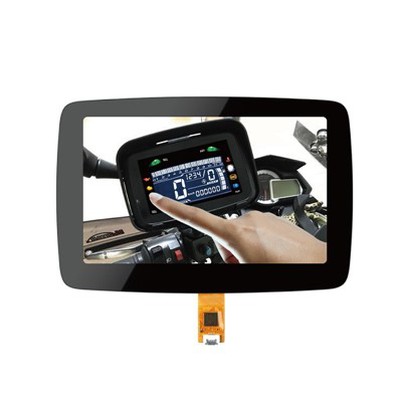
Modern vehicles use TFT LCD Display systems for dashboards, infotainment systems, and control interfaces.
These displays must operate under wide temperature ranges and resist vibration and long-term wear.
Smart Retail and Kiosk Systems
Retail environments use large TFT LCD Display systems for advertising, self-service kiosks, and interactive customer engagement.
High brightness and durability are essential for public-facing applications.
Consumer Electronics
Consumer devices such as smartphones, tablets, and laptops rely on TFT LCD Display technology for everyday interaction.
Thin design, high resolution, and energy efficiency are key requirements.
Conclusion
TFT LCD Display technology remains a foundational pillar of modern electronic display systems in 2026. Its mature manufacturing ecosystem, reliable performance, and flexible customization capabilities ensure its continued dominance across industrial, automotive, medical, and consumer markets.
From backlight systems and TFT arrays to optical bonding and advanced control ICs, every component plays a critical role in delivering stable and high-quality visual performance.
Although new display technologies continue to emerge, TFT LCD Display solutions remain essential due to their balance of cost, durability, and versatility. As industries move toward smarter and more connected systems, TFT LCD Display technology will continue evolving with higher brightness, improved resolution, and deeper integration with intelligent control systems.